




Right At Home – A Home Improvement Blog by Mosby
Click on a title to read the full-story.
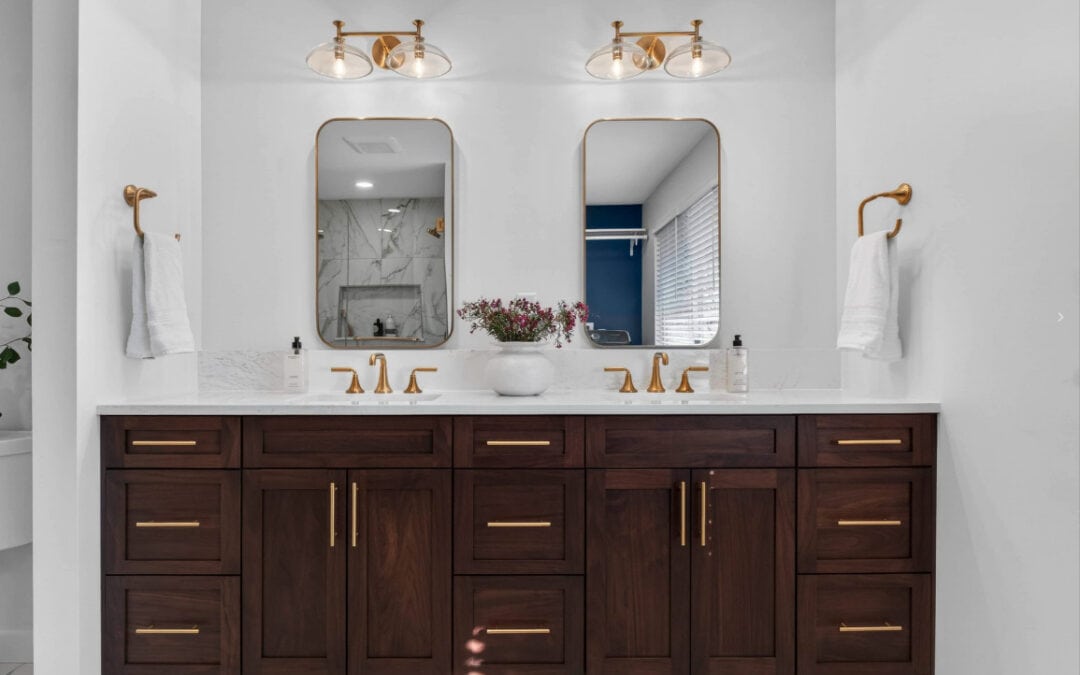
If you’re like most families, your bathroom and laundry room are doing a lot of heavy lifting in a not-so-large space. You want a place that feels calm and spa‑like. Yet, real life still shows up in the form of muddy uniforms, damp towels, and endless loads of...
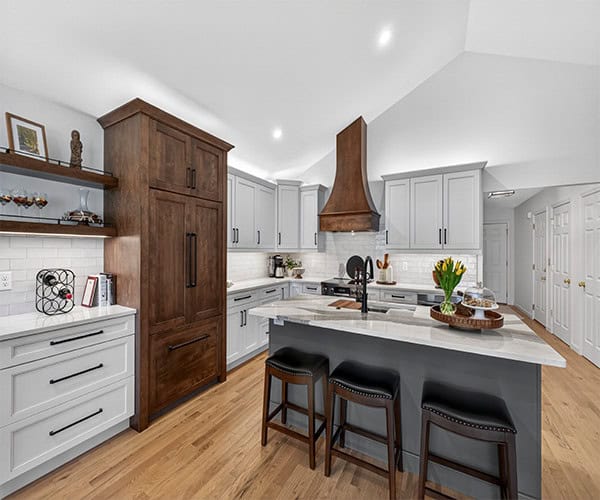
Preparing Your Kitchen for A Remodel
A kitchen remodel is one of the most rewarding home investments you can make. But it can also become one of the most involved. The excitement of picking cabinets and countertops is real, but what happens in the days and weeks before your contractor arrives can set the...
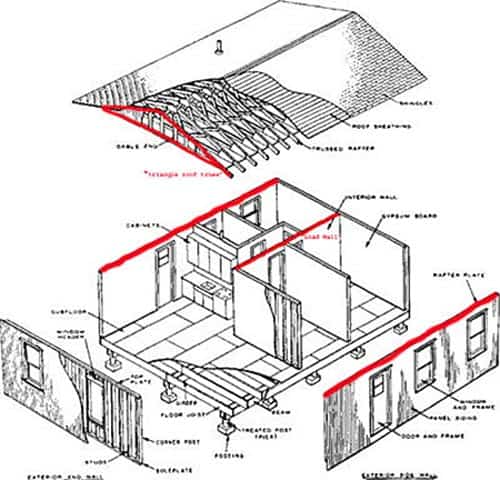
Before Knocking Down A Load-Bearing Wall: Here’s What You Should Know!
You’ve been dreaming about opening up your floor plan for a while now. Maybe it’s a bigger, brighter kitchen, better sightlines to the family room, or finally connecting spaces so everyone can be together? Whatever strikes your...
Top Remodeling Ideas for Each Room In Your House
Remodeling can do more than refresh a house. It can make daily life easier, rooms feel extra comfortable, and your space more beautiful. This exciting process can also uncover hidden potential in the spaces you use every day. A room that feels cramped, outdated, or...
How Long Does a Hall Bathroom Remodel Take?
There comes a time in many homeowners’ lives where they start considering remodeling the hall bathroom. One of the first questions that probably comes to mind is: How long is this actually going to take? The answer depends on several factors, including the scope of...
Is Mosby Building Arts the Right Fit for Your Remodel?
Remodeling a St. Louis home means inviting a team into your everyday life, not just your kitchen, bathroom, or basement. You want people who feel like the right fit for your family, your routines, and your long‑term plans. That “good feeling” between you and your...
What Makes for Smart Kitchen Design?
A smart kitchen begins with a well-thought-out design that fits your life as well as your taste. It’s not about having the latest gadgets, even though they’re a lot of fun! Instead, a smart kitchen is about creating a space that makes cooking, cleaning, and gathering...
How to Zone Your Outdoor Kitchen for Cooking, Serving, and Relaxing
When the weather in St. Louis is too beautiful to stay inside, an inviting outdoor kitchen can turn “let’s eat on the patio tonight” into an everyday reality. Whether you love hosting big game-day parties, gathering the family for a casual weeknight dinner, or...
Tips for Customizing Your Bathroom
A bathroom that fits your life isn’t out of reach. Many St. Louis homeowners consider a bathroom remodel due to daily frustrations, such as limited storage, poor lighting, or a cramped layout. The right plan can fix all of that. By thinking about how you actually use...
Small Things You Can Do to Make Your Kitchen Feel Bigger
A small kitchen doesn’t have to feel like a limitation. With the right design choices, it can become one of the most efficient and inviting rooms in your home. The most successful remodels often focus less on adding square footage and more on transforming how the...
Bathroom Flooring: Choosing the Right Style for Remodeling
A bathroom remodel can feel overwhelming at first, especially when every choice seems to snowball into three more. It’s easy to pour most of your attention into the shower, vanity, and fixtures while the floor quietly waits at the bottom of the list. Yet that floor...
The Importance of Using Accents in a Bathroom Remodel
A bathroom remodel touches nearly every part of your home life. It shapes your routines, adds value, and sets a fresh new mood for one of the most important spaces you use every day. Accents are what make a bathroom feel special and uniquely yours. A touch of metallic...