




Right At Home – A Home Improvement Blog by Mosby
Click on a title to read the full-story.
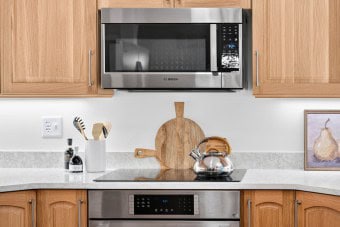
Beyond the Finish: What Custom Wood Cabinetry Can Do for Your Home
You may love the warmth and character of real wood cabinets, but worry they will not work in a kitchen with an unusual layout, tight corners, or limited square footage. For many St. Louis homeowners, especially those updating older homes, standard cabinetry is not...

How Refreshing Your Bathroom and Kitchen Can Support Mental Well-Being
A cramped kitchen can make a simple weeknight meal feel like a chore. Meanwhile, a dark, cluttered bathroom can add stress to an already busy morning. From getting ready and winding down to preparing meals and gathering with family, bathrooms and kitchens are where...

Big Return, Smaller Project: Smart Home Upgrades for St. Louis Homeowners
There is something exciting about looking around your home and spotting its potential. An entryway that could make a stronger first impression, a kitchen that could feel more polished, or storage that could make busy mornings run more smoothly are all small updates...

Making a Powder Room Pop: Half Bathroom Remodels In St. Louis
A powder room may be one of the smallest spaces in your home, but it often leaves one of the biggest impressions on guests. It is also a room homeowners use every day, making it the ideal place to pair practical upgrades with a little personality. A successful...

Raising the Bar: Hosting Done Right with a Finished Basement
If you love having people over, a finished basement can turn your home into a true destination for game nights, watch parties, and long, relaxed evenings at the bar. The catch is that basements don’t start as a blank canvas. They come loaded with mechanicals, vents,...

How An Island Renovation Can Tie Your Kitchen Together
Some kitchens check all the boxes with nice cabinets, updated appliances, and fresh countertops, but still manage to look a bit mismatched when you step back and really take in the whole room. Maybe the finishes don’t seem to “talk” to each other, or the room feels...

Is Your Front Door Secure? Take Mosby’s Door Safety Test
Many homeowners believe that home security starts with cameras, apps, and motion alerts. While these are helpful tools, in reality, home security often begins with something much simpler: Your front door. About 1 out of every 17 St. Louis homes is affected by a...
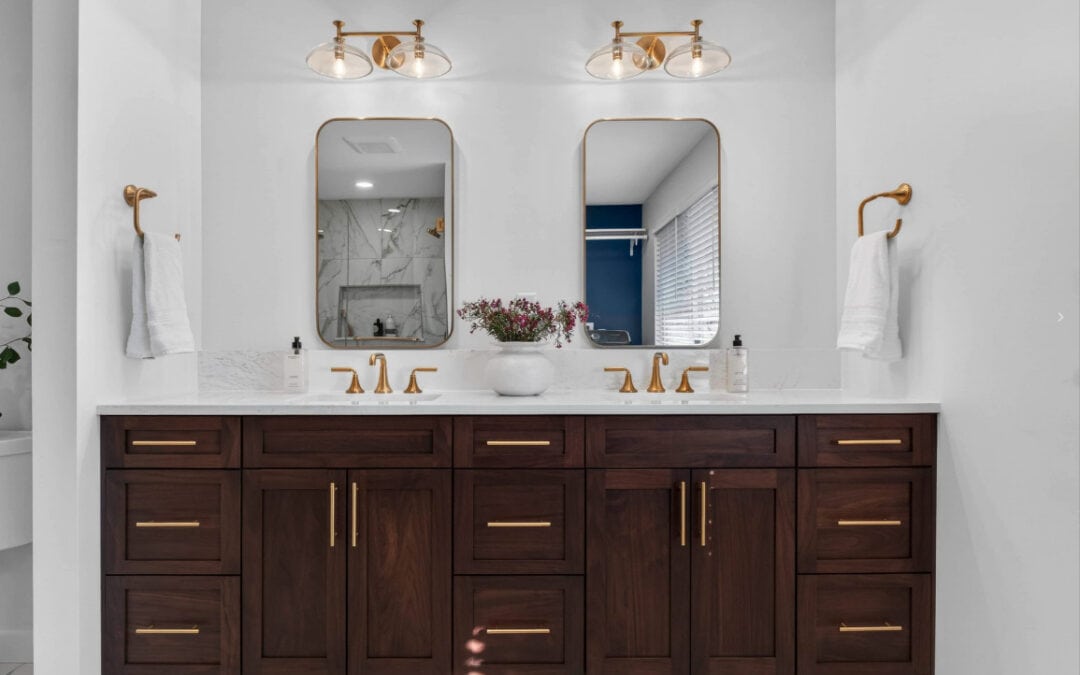
Designing a Cohesive Laundry and Bath Suite
If you’re like most families, your bathroom and laundry room are doing a lot of heavy lifting in a not-so-large space. You want a place that feels calm and spa‑like. Yet, real life still shows up in the form of muddy uniforms, damp towels, and endless loads of...
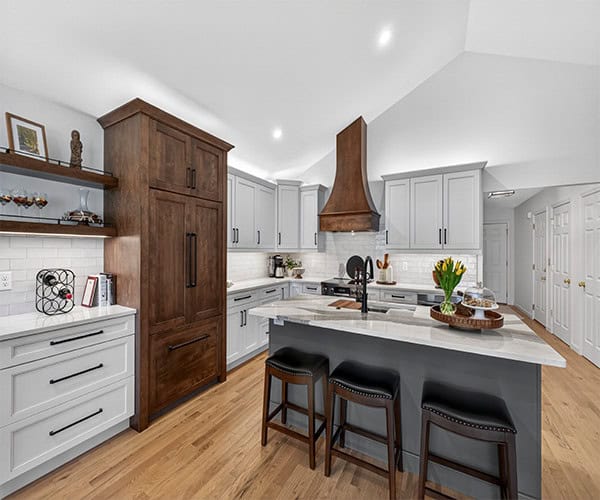
Preparing Your Kitchen for A Remodel
A kitchen remodel is one of the most rewarding home investments you can make. But it can also become one of the most involved. The excitement of picking cabinets and countertops is real, but what happens in the days and weeks before your contractor arrives can set the...
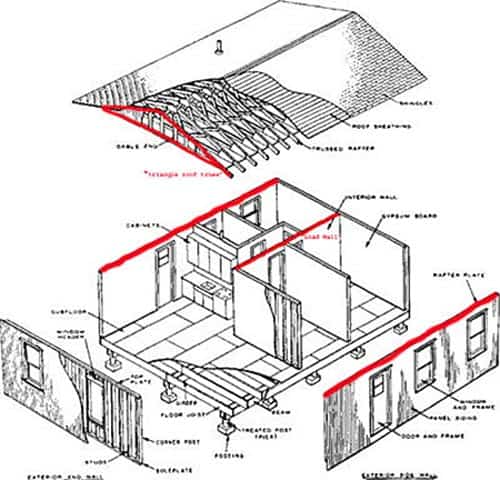
Before Knocking Down A Load-Bearing Wall: Here’s What You Should Know!
You’ve been dreaming about opening up your floor plan for a while now. Maybe it’s a bigger, brighter kitchen, better sightlines to the family room, or finally connecting spaces so everyone can be together? Whatever strikes your fancy, it’s exciting to imagine the...
Top Remodeling Ideas for Each Room In Your House
Remodeling can do more than refresh a house. It can make daily life easier, rooms feel extra comfortable, and your space more beautiful. This exciting process can also uncover hidden potential in the spaces you use every day. A room that feels cramped, outdated, or...
How Long Does a Hall Bathroom Remodel Take?
There comes a time in many homeowners’ lives where they start considering remodeling the hall bathroom. One of the first questions that probably comes to mind is: How long is this actually going to take? The answer depends on several factors, including the scope of...