Aging is an inevitable part of life. And while getting older often leaves us feeling powerless, just know it is possible to live many happy years in the one place that gives you the most comfort – your home. Mosby Building Arts President, Mark McClanahan, is a part of...
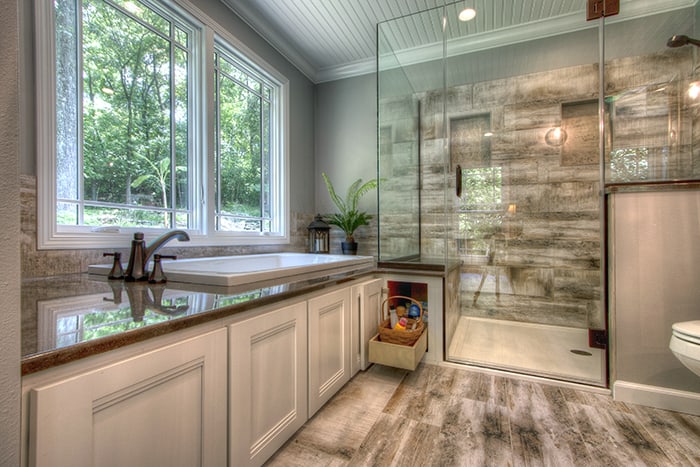
Bathroom Trends When it comes to remodeling, experts say to start with the room where you spend the most time. People immediately think kitchens, but bathrooms also get a lot of use and are often overlooked. You start and end your day in your bathroom, so you...
From pancake breakfasts to movie nights, our homes are filled with memories that we may not wish to part with simply because of physical limitations. Whether it’s age or a medical condition that is slowing you down, there are changes that can be made to your home to...
Does your home feel outdated? Do you feel cramped and need more space? Before you decide to make a major move and contact a real estate agent, we want to provide you with some information regarding the idea of moving vs. remodeling. You should consider and weigh both...
Home is where the heart is for one University City couple. They love everything about the mid-century modern home where they have resided for eight years. However, with plans to stay in their home as long as possible, they knew the time had come to give their dated...
A bathroom shower can incorporate many different accessories, all of which can make your showering experience easier and more enjoyable. One accessory homeowners often ask for is a shower bench. Shower benches serve several purposes, some of which you may have never...
The children leaving home is an emotional milestone. After adjusting to the sea change of an empty nest, take a look around and ask yourself: “What have I always wanted in my house but couldn’t have because of the kids?” Here are some of the ways Mosby Building Arts...
A Kirkwood, MO couple needed to remodel their condo bathroom to be easily accessible for the husband in his power chair. They also wanted it to be attractive as well as functional, and would this type of bathroom be possible for less than $50,000? The original...
Make it Easy to Get in Your Home with Universal Design This home, from curb to door, is a great example of universal design. A new front door was the initial reason for the project, but the couple was inspired by Mosby Building Arts to re-think how they wanted...
For a man in a wheelchair, accessibility is a necessity. The main reason he had his Belleville, Illinois townhouse built new in 2002 was so accessible features could be installed in the entries, bathrooms and kitchen before moving in. While the rest of the...
Passing the Torch: Remodeling for an Aging Parent and You By 2030, there will be 132 million American adults aged 50 and over. Currently, there is not enough physically accessible housing to accommodate the future needs of aging Baby Boomers. Add to the equation that...
The owners of a 1929 Richmond Heights, MO home were originally wanting a remodeled kitchen and breakfast room. As seen in the photo above, they remodeled the kitchen, which expands upon the Arts & Crafts touches seen throughout the home. And they...
The bathroom is the most dangerous room in your home. Water against waterproof surfaces can be slips waiting to happen. Bathtubs and toilets can set you up for a fall. And these potential hazards affect everyone at any age. You can reduce the risk of slips and falls...
A for Accessibility: Homeowner Praise for a Remodeling Project A client in Belleville, IL submitted the following report to Angie’s List. From his detailed description of the accessible remodeling to the photos he took and sent along with the report, we deeply...